Introduction: Decoding Your Dog’s Well-being
Every dog owner shares a universal wish: that their furry companion lives a life full of joy and vitality. We want to know they’re not just surviving, but truly thriving. But since our four-legged friends can’t use words to tell us how they feel, understanding their well-being falls on our shoulders. Learning **how to tell if your dog is happy** and **how to tell if your dog is healthy** becomes a crucial part of responsible pet ownership.
Often, **signs of a happy dog** and **signs of a healthy dog** overlap significantly. A dog’s physical health deeply impacts their emotional state, and vice versa. Recognizing the key indicators of their well-being allows us to celebrate their good days and spot potential issues early on. This article will walk you through **10 Signs Your Dog Is Happy and Healthy** – essential **dog health indicators** and **dog happiness indicators** every owner should know to gauge their pet’s **dog well-being signs**.
The 10 Key Signs Your Dog Is Thriving
Looking for a clear **healthy dog checklist** or **happy dog checklist**? These ten indicators are among the most reliable **signs a dog is thriving**, offering insights into their physical and mental state.
1. The Happy Tail and Relaxed Body
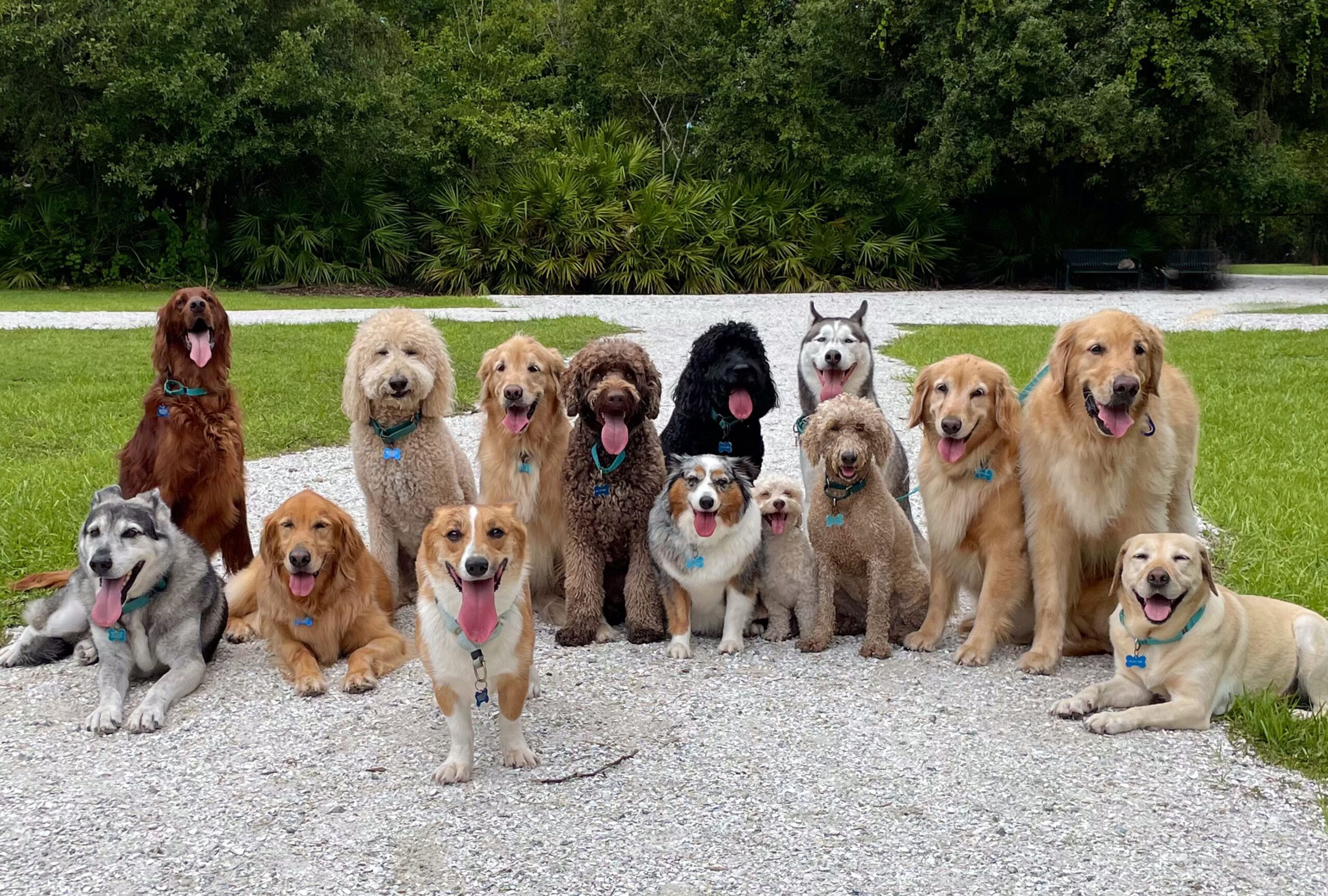
Perhaps the most iconic signal! A loose, sweeping tail wag (often involving the hips too) is a classic **dog body language happy** cue. Beyond the tail, look at their overall posture. A relaxed dog has soft, blinking eyes (not wide or tense), a relaxed mouth (maybe slightly open, sometimes with a gentle pant), and their body isn’t stiff or hunched. This relaxed **dog body language healthy** indicates comfort and contentment in their environment.
2. Enthusiastic Eating and Healthy Digestion
A consistent and healthy appetite is a fundamental **sign of a physically healthy dog**. While some dogs are more food-motivated than others, a sudden lack of interest in meals can be a red flag. Coupled with a good appetite is healthy digestion, which we’ll touch on more directly later, but know that problems there often show up in appetite changes. Eagerness at mealtime is a clear indicator for your **is my dog healthy** assessment.
3. Plenty of Energy and Playfulness
While energy levels vary massively by breed, age, and individual personality, a dog with appropriate energy who enjoys play is generally a **sign of a happy dog** and a **sign of a healthy dog**. They should be enthusiastic about walks, fetch, or playing with toys. This zest for life is a key component of **signs of a mentally healthy dog** and points to good physical condition.
4. A Shiny Coat, Clear Eyes, and Healthy Skin
Physical appearance tells us a lot. A glossy, well-maintained coat with minimal excessive shedding or dryness suggests good nutrition and overall health. Bright, clear eyes free from discharge are vital **dog health indicators**. Healthy skin means your dog isn’t constantly scratching, licking, or showing redness. These are strong **common signs of a healthy dog**.
5. Sleeping Soundly and Comfortably
Dogs sleep a lot, but *how* they sleep matters. A **sign of a healthy dog** is one who can settle down and sleep soundly, sometimes dreaming (you might see paw twitches or hear soft noises!). They choose comfortable, often vulnerable positions (like sleeping on their back). Restlessness, excessive panting while resting, or constantly seeking isolated hiding spots to sleep can be subtle indicators something is amiss.
6. Seeking Your Affection and Interaction
A **sign of a content dog** is one who genuinely enjoys spending time with their human family. This doesn’t mean being attached to your hip every second, but they will actively seek out cuddles, lean against you, follow you calmly from room to room, or just happily rest nearby. This desire for connection highlights their **dog emotional health signs** and a strong bond, suggesting **understanding dog happiness**.
7. Responding Positively to Commands
While not purely a health sign, a dog who is attentive and responsive to their name and basic commands shows good mental engagement and connection with you. This indicates they are alert, aware, and willing to interact, which contributes to overall **dog health and behavior** and can be an indicator of a healthy mind and positive relationship. It’s a subtle part of **happy and healthy dog behavior**.
8. Predictable and Healthy Bathroom Habits
Consistency is key here. Regular, predictable trips outside resulting in well-formed stools are significant **healthy dog signs**. Any sudden changes in frequency, consistency (diarrhea or constipation), or accidents indoors can be one of the first **common signs of a healthy dog** being disrupted, often requiring veterinary attention. This is a crucial item on any **healthy dog checklist**.
9. Showing Curiosity and Confidence
A balanced dog is often curious about their surroundings – new smells, sounds, or objects (within reason and safety). Confidence is also a **sign of a mentally healthy dog**; they are typically comfortable exploring new places or meeting new people/dogs without excessive fear, anxiety, or aggression. This demonstrates good socialization and a secure temperament, reflecting their overall **dog well-being signs**.
10. Bouncing Back Quickly from Stress
Life happens – loud noises, a change in routine, or a brief separation. A resilient dog, one who displays strong **indicators your dog is healthy and happy**, will show a reaction to minor stressors but recover relatively quickly, returning to their relaxed state. Prolonged anxiety, fear, or inability to settle after a minor event can be a **sign of a happy dog** or healthy dog struggling with emotional regulation.
What If You Notice Signs Are Missing?
It’s important not to panic if your dog doesn’t exhibit *every single one* of these **10 Signs Your Dog Is Happy and Healthy** all the time. Just like people, dogs have off days or individual quirks.
The most critical thing to look for is the *overall picture* and, more importantly, *changes* in your dog’s typical behavior. Did they used to be playful but now seem listless? Has their appetite suddenly dropped? Are they hiding when they used to be social? These changes are often more telling than a single missing sign.
If you notice multiple **signs of a happy dog** or **signs of a healthy dog** are consistently absent, or if there’s a sudden, significant change in their behavior or habits, it is always best to consult your veterinarian. Many health issues can manifest first as behavioral changes, so getting professional advice is crucial for determining **is my dog happy** and **is my dog healthy** from a medical perspective. Your vet can help you interpret these **dog health indicators** and **dog happiness indicators** accurately.
Conclusion: Celebrating Your Dog’s Happiness and Health
Being able to recognize these **common signs of a happy dog** and **common signs of a healthy dog** is incredibly rewarding and a testament to the strong bond you share. Paying attention to your dog’s **dog body language happy** signals and physical cues empowers you to provide the best possible **dog care tips for happiness** and **dog care tips for health**.
Your attentiveness is key to ensuring your pet enjoys a vibrant, joyful life by your side. By understanding these indicators your dog is healthy and happy you’re better equipped to nurture that beautiful human-canine connection and ensure their dog health and behavior reflect their true well-being. Celebrate the wonderful happy and healthy dog behavior you see, and be prepared to seek help when needed.